Components overview addresses hardware structure, device functionality, Ledger Live interface, and platform comparison across Ledger product line. Each component contributes to comprehensive cold storage understanding. This documentation covers component education methodology for Ledger hardware wallet user knowledge.
This components overview covers hardware structure, device functionality, interface features, and platform options for hardware wallet understanding via USB-C or Bluetooth devices across all supported coins.
Hardware Overview
Hardware Overview for Ledger Crypto Wallet implements wallet hardware tutorial through device components guide physical understanding including Ledger Nano X parts identification, screen buttons chip layout, and packaging authenticity verification for Ledger Live overview context. The overview addresses private keys hardware architecture. Overview ensures cold storage hardware comprehension for hardware wallet users.
Physical understanding enables effective use for hardware wallet users.
Ledger Nano X Parts
| Component | Location | Function |
|---|---|---|
| OLED display | Front face | Information display |
| Left button | Left side | Navigation/Cancel |
| Right button | Right side | Navigation/Confirm |
| USB-C port | Bottom | Connection/Charging |
| Battery | Internal | Portable power |
Ledger Nano X parts establishes Ledger Crypto Wallet physical layout. The wallet hardware tutorial parts ensures device components guide via USB-C across all supported coins.
Screen Buttons Chip
Screen buttons chip interface elements:
- OLED screen 128x64 pixels
- Two physical buttons
- Both buttons for confirmation
- Secure element internal
- CC EAL5+ certification
- Bluetooth antenna internal
- Stainless steel casing
Screen buttons chip implements Ledger Live overview hardware understanding. The device components guide screen supports cold storage via USB-C or Bluetooth unlike basic Trezor or KeepKey hardware across all supported coins.
Packaging Authenticity
Packaging authenticity genuine verification:
- Shrink wrap intact
- Security seal unbroken
- Holographic sticker present
- Serial number matches
- Recovery sheets blank
- No pre-written words
- Device factory sealed
- No tampering signs
- Official packaging quality
- Contact support if concerned
Packaging authenticity completes Ledger Crypto Wallet hardware verification. The wallet hardware tutorial authenticity ensures private keys via USB-C.
Device Functionality
Device Functionality for Ledger Crypto Wallet implements wallet hardware tutorial through device components guide operation including secure element role explanation, PIN & passphrase usage methodology, and recovery phrase storage for Ledger Live overview functional context. The functionality addresses private keys device operation. Functionality ensures cold storage operational understanding for hardware wallet users.
Operational understanding enables effective security for hardware wallet users.
Secure Element Role
| Element Function | Specification | Protection |
|---|---|---|
| Key storage | Isolated chip | Maximum security |
| Signing | On-chip process | Keys never exposed |
| Tamper resistance | Hardware level | Physical protection |
| Side channel | Protected | Attack resistant |
| Certification | CC EAL5+ | Banking-grade |
Secure element role establishes Ledger Crypto Wallet security architecture. The wallet hardware tutorial secure element ensures device components guide via USB-C across all supported coins.
PIN and Passphrase Usage
PIN & passphrase usage access security:
- PIN: 4-8 digits required
- Device wipes after 3 wrong attempts
- Passphrase: Optional 25th word
- Creates hidden wallet
- Plausible deniability feature
- Must remember exactly
- Maximum security option
PIN & passphrase usage implements Ledger Live overview access methodology. The device components guide PIN supports cold storage via USB-C or Bluetooth.
Recovery Phrase Storage
Recovery phrase storage backup methodology:
- 24 words generated on device
- Write on paper carefully
- Use included recovery sheets
- Store in secure location
- Consider metal backup
- Multiple locations recommended
- Never store digitally
- Never photograph
- Never share with anyone
- User sole responsibility
Recovery phrase storage completes Ledger Crypto Wallet backup understanding. The wallet hardware tutorial recovery ensures private keys via USB-C.
Ledger Live Interface
Ledger Live Interface for Ledger Crypto Wallet implements wallet hardware tutorial through device components guide software understanding including portfolio overview functionality, sending & receiving crypto procedures, and multi-asset management for Ledger Live overview context. The interface addresses private keys software management. Interface ensures cold storage application comprehension for hardware wallet users.
Application understanding enables portfolio management for hardware wallet users.
Portfolio Overview
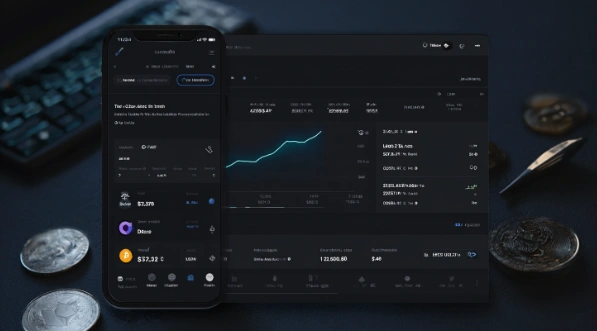
| Dashboard Element | Display | Benefit |
|---|---|---|
| Total value | Fiat equivalent | Quick assessment |
| Asset breakdown | Per-coin values | Detailed view |
| Performance | Historical charts | Tracking |
| Recent activity | Latest transactions | Awareness |
| Quick actions | Send/Receive | Convenience |
Portfolio overview establishes Ledger Crypto Wallet dashboard understanding. The wallet hardware tutorial portfolio ensures device components guide via USB-C across all supported coins.
Sending and Receiving Crypto
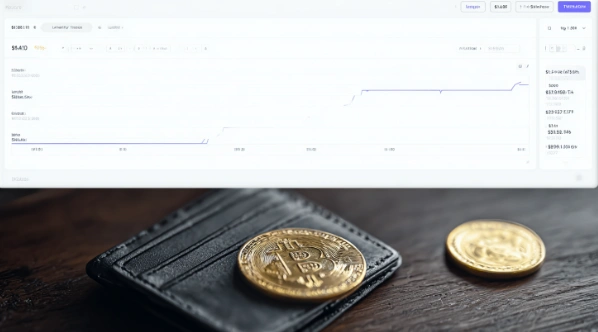
Sending & receiving crypto transaction functionality:
- Send: Create, verify, sign, broadcast
- Receive: Generate, verify, share address
- Device verification required
- Physical confirmation mandatory
- Multi-asset support
- Transaction history maintained
- Export functionality available
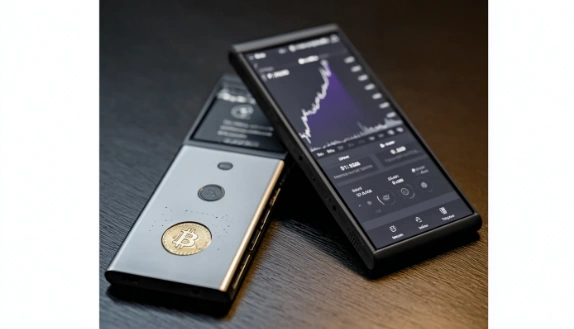
Sending & receiving crypto implements Ledger Live overview transaction understanding. The device components guide transactions supports cold storage via USB-C or Bluetooth.
Multi-Asset Management
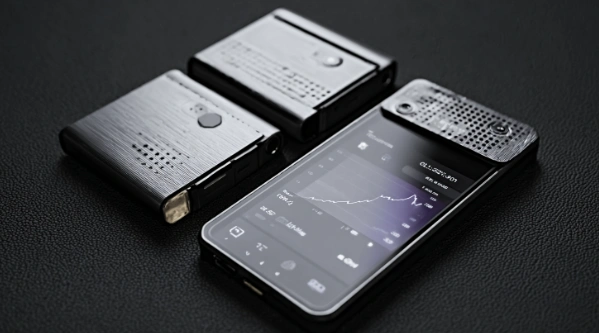
Multi-asset management portfolio capability:
- 5500+ assets supported
- Unified dashboard view
- Individual account management
- App installation through Manager
- Token auto-detection
- NFT gallery integrated
- Staking functionality
- Exchange integration
- Portfolio export
- Comprehensive management
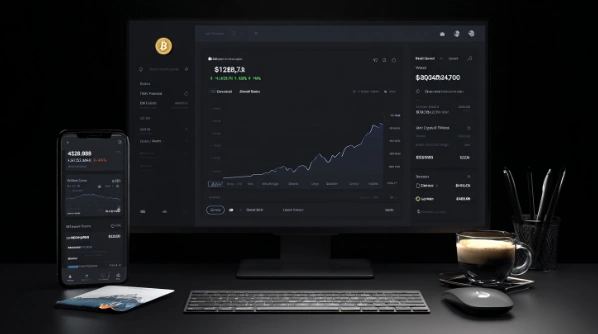

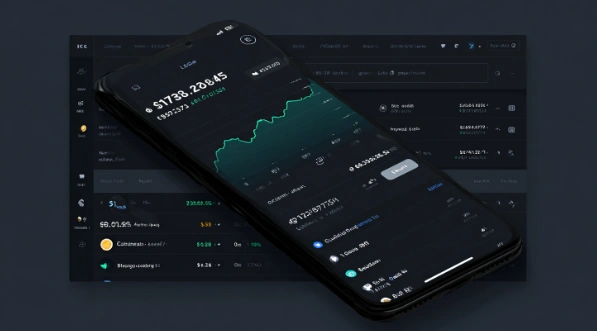
Multi-asset management completes Ledger Crypto Wallet interface understanding. The wallet hardware tutorial multi-asset ensures private keys via USB-C.
Mobile vs Desktop
Mobile vs Desktop for Ledger Crypto Wallet implements wallet hardware tutorial through device components guide platform comparison including Bluetooth connection methodology, cross-device syncing capability, and app permissions for Ledger Live overview platform context. The comparison addresses private keys platform options. Comparison ensures cold storage platform understanding for hardware wallet users.
Platform options enable flexible access for hardware wallet users.
Bluetooth Connection
| Connection Element | Specification | Security |
|---|---|---|
| Protocol | Bluetooth 5.0 | Current standard |
| Encryption | AES | Protected |
| Range | ~10 meters | Practical |
| Pairing | Code verification | Secure |
| Battery | Required for wireless | Nano X only |
Bluetooth connection establishes Ledger Crypto Wallet wireless capability. The wallet hardware tutorial Bluetooth ensures device components guide via wireless across all supported coins.
Cross-Device Syncing
Cross-device syncing account synchronization:
- Same accounts all platforms
- Automatic synchronization
- Real-time balance updates
- Transaction history unified
- No manual sync needed
- Network connection required
- Device needed for signing only
Cross-device syncing implements Ledger Live overview platform coordination. The device components guide sync supports cold storage via USB-C or Bluetooth unlike single-platform Trezor or KeepKey experience across all supported coins.
App Permissions
App permissions access configuration:
- Bluetooth: Required for Nano X
- Camera: Optional for QR codes
- Notifications: Recommended
- Biometric: Recommended for app lock
- Storage: Required for data
- Network: Required for sync
- Review permissions granted
- Minimize unnecessary access
- Enable recommended features
- Platform security maintained
App permissions completes Ledger Crypto Wallet platform understanding. The wallet hardware tutorial permissions ensures private keys via USB-C.
For best practices, see our Ledger Wallet Best Practices. For tutorials, visit Ledger Tutorials & Learning Resources.
Frequently Asked Questions
OLED display, two navigation buttons, USB-C port, secure element chip, Bluetooth antenna, and rechargeable battery.
Stores and protects private keys. Signs transactions isolated from network. CC EAL5+ certified banking-grade protection.
Companion application for managing Ledger devices. Portfolio tracking, transactions, app installation. Available desktop and mobile.
Nano X pairs with mobile app via Bluetooth. AES encryption protects communication. Device verification still required.
Yes. Same accounts visible on all platforms. Automatic synchronization. Device needed for signing only.
Bluetooth required for Nano X. Notifications recommended. Camera optional for QR codes. Biometric lock recommended.
Both equally secure. Desktop offers larger screen. Mobile offers portability. Choose based on preference.