Best practices overview addresses security protocols, device handling, backup recovery, and user recommendations across Ledger product line. Each practice contributes to comprehensive cold wallet sustained protection. This documentation covers best practices methodology for Ledger hardware wallet optimal security.
This best practices overview covers security protocols, device handling, backup recovery, and recommendations for hardware wallet optimization via USB-C or Bluetooth devices across all supported coins.
Security Protocols
Security Protocols for Ledger Crypto Wallet implement wallet security tips through crypto management best practices access protection including PIN & passphrase rules methodology, recovery phrase storage procedures, and secure transaction signing for safe device handling context. The protocols address private keys access security. Protocols ensure cold storage access protection for hardware wallet users.
Access security establishes protection for hardware wallet users.
PIN and Passphrase Rules
| Security Element | Recommendation | Reason |
|---|---|---|
| PIN length | 8 digits preferred | Maximum security |
| PIN pattern | Avoid obvious | Unpredictable |
| Passphrase | Use if valuable holdings | Additional layer |
| Memory | Remember exactly | No recovery |
| Sharing | Never share | Sole access |
PIN & passphrase rules establishes Ledger Crypto Wallet access guidelines. The wallet security tips PIN ensures crypto management best practices via USB-C across all supported coins.
Recovery Phrase Storage
Recovery phrase storage backup methodology:
- Write clearly on paper
- Use metal backup for durability
- Store in fireproof safe
- Multiple separate locations
- Limited access persons
- Never store digitally
- Periodic verification
Recovery phrase storage implements safe device handling backup methodology. The crypto management best practices recovery supports cold storage via USB-C or Bluetooth.
Secure Transaction Signing
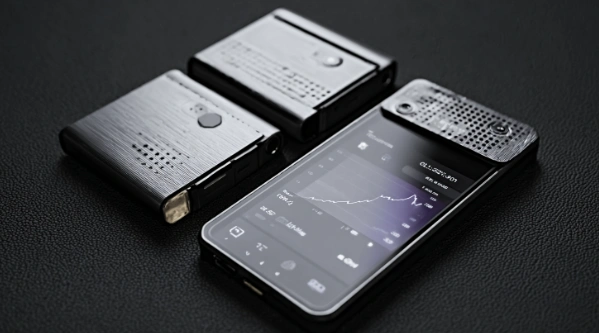
Secure transaction signing verification methodology:
- Always verify on device
- Check amount carefully
- Verify recipient address
- Compare every character
- Review fee reasonableness
- Never rush confirmation
- Physical buttons required
- Malware cannot override
- Trust device display
- Cancel if uncertain
Secure transaction signing completes Ledger Crypto Wallet transaction security. The wallet security tips signing ensures private keys via USB-C.
Device Handling
Device Handling for Ledger Crypto Wallet implements wallet security tips through crypto management best practices physical care including avoid physical damage awareness, store in safe location methodology, and firmware update schedule for safe device handling context. The handling addresses private keys physical protection. Handling ensures cold storage device longevity for hardware wallet users.
Physical care maintains device integrity for hardware wallet users.
Avoid Physical Damage
| Damage Risk | Prevention | Consequence |
|---|---|---|
| Water | Keep dry | Component damage |
| Heat | Avoid extreme temps | Battery/display damage |
| Impact | Protective case | Screen/button damage |
| Dust | Clean storage | Connector issues |
| Magnets | Keep away | Data corruption risk |
Avoid physical damage establishes Ledger Crypto Wallet protection guidelines. The wallet security tips damage ensures crypto management best practices via USB-C across all supported coins.
Store in Safe Location
Store in safe location security methodology:
- Fireproof safe recommended
- Protected from theft
- Climate controlled
- Away from moisture
- Accessible when needed
- Known to trusted persons
- Insurance consideration
Store in safe location implements safe device handling storage methodology. The crypto management best practices storage supports cold storage via USB-C or Bluetooth unlike exposed Trezor or KeepKey storage across all supported coins.
Firmware Update Schedule
Firmware update schedule maintenance methodology:
- Check for updates weekly
- Security updates immediately
- Feature updates at convenience
- Verify recovery phrase first
- Update through Ledger Live only
- Complete update fully
- Never interrupt process
- Document completion
- Monitor post-update function
- Maintain currency
Firmware update schedule completes Ledger Crypto Wallet maintenance practices. The wallet security tips firmware ensures private keys via USB-C.
Backup and Recovery
Backup and Recovery for Ledger Crypto Wallet implements wallet security tips through crypto management best practices continuity including offline seed storage methodology, recovery test procedures, and asset redundancy for safe device handling backup context. The backup addresses private keys disaster recovery. Backup ensures cold storage continuity for hardware wallet users.
Recovery capability protects assets for hardware wallet users.
Offline Seed Storage
| Storage Method | Durability | Security |
|---|---|---|
| Paper backup | Moderate | Good if protected |
| Metal backup | Excellent | Fire/water resistant |
| Multiple locations | Essential | Redundancy |
| Secure container | Recommended | Physical protection |
| Access control | Limited | Minimize exposure |
Offline seed storage establishes Ledger Crypto Wallet backup methodology. The wallet security tips offline ensures crypto management best practices via USB-C across all supported coins.
Recovery Test
Recovery test verification procedure:
- Verify phrase accessible
- Check word readability
- Confirm correct order
- Use Recovery Check app
- Test on second device optional
- Document verification date
- Schedule periodic checks
Recovery test implements safe device handling backup verification. The crypto management best practices test supports cold storage via USB-C or Bluetooth.
Asset Redundancy
Asset redundancy portfolio protection:
- Multiple backup copies
- Different storage locations
- Consider inheritance planning
- Document recovery procedures
- Test recovery capability
- Update documentation
- Share with trusted persons
- Legal considerations
- Regular review
- Comprehensive protection
Asset redundancy completes Ledger Crypto Wallet continuity assurance. The wallet security tips redundancy ensures private keys via USB-C.
User Recommendations
User Recommendations for Ledger Crypto Wallet implement wallet security tips through crypto management best practices daily operation including daily usage tips guidance, portfolio checks procedures, and Ledger Live sync schedule for safe device handling operational context. The recommendations address private keys daily habits. Recommendations ensure cold storage optimal operation for hardware wallet users.
Daily habits optimize operation for hardware wallet users.
Daily Usage Tips
| Habit | Frequency | Benefit |
|---|---|---|
| Verify addresses | Every transaction | Security |
| Review transactions | Before confirming | Accuracy |
| Lock device | When not in use | Protection |
| Check notifications | Daily | Awareness |
| Update awareness | Weekly | Security |
Daily usage tips establishes Ledger Crypto Wallet operational habits. The wallet security tips daily ensures crypto management best practices via USB-C across all supported coins.
Portfolio Checks
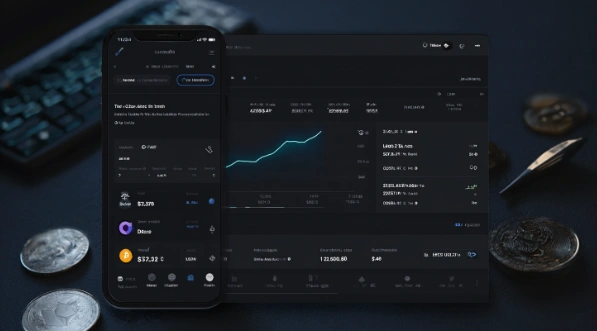
Portfolio checks monitoring guidelines:
- Review balances regularly
- Verify transaction history
- Check for unauthorized activity
- Monitor market conditions
- Review allocation
- Document holdings
- Update records
Portfolio checks implements safe device handling portfolio awareness. The crypto management best practices checks supports cold storage via USB-C or Bluetooth.
Ledger Live Sync Schedule
Ledger Live sync schedule application maintenance:
- Open Ledger Live regularly
- Allow automatic sync
- Check for app updates
- Review device status
- Update firmware when prompted
- Verify account balances
- Export transaction history
- Backup application settings
- Monitor security alerts
- Maintain engagement
Ledger Live sync schedule completes Ledger Crypto Wallet operational recommendations. The wallet security tips sync ensures private keys via USB-C.
For components understanding, see our Understanding Ledger Wallet Components. For tutorials, visit Ledger Tutorials & Learning Resources.
Frequently Asked Questions
Check weekly when opening Ledger Live. Security updates apply immediately. Feature updates at convenience.
Fireproof safe recommended. Multiple separate locations. Metal backup for durability. Never digitally.
Use Recovery Check app on device. Optionally test on second device. Verify periodically.
Recommended for significant holdings. Creates additional security layer. Must remember exactly.
Every single transaction. Always verify on device screen. Never rush confirmation.
Recover using phrase on new device. All assets restore. Physical damage does not affect blockchain funds.
Only with trusted persons for inheritance. Never share for any other reason. Document securely.